

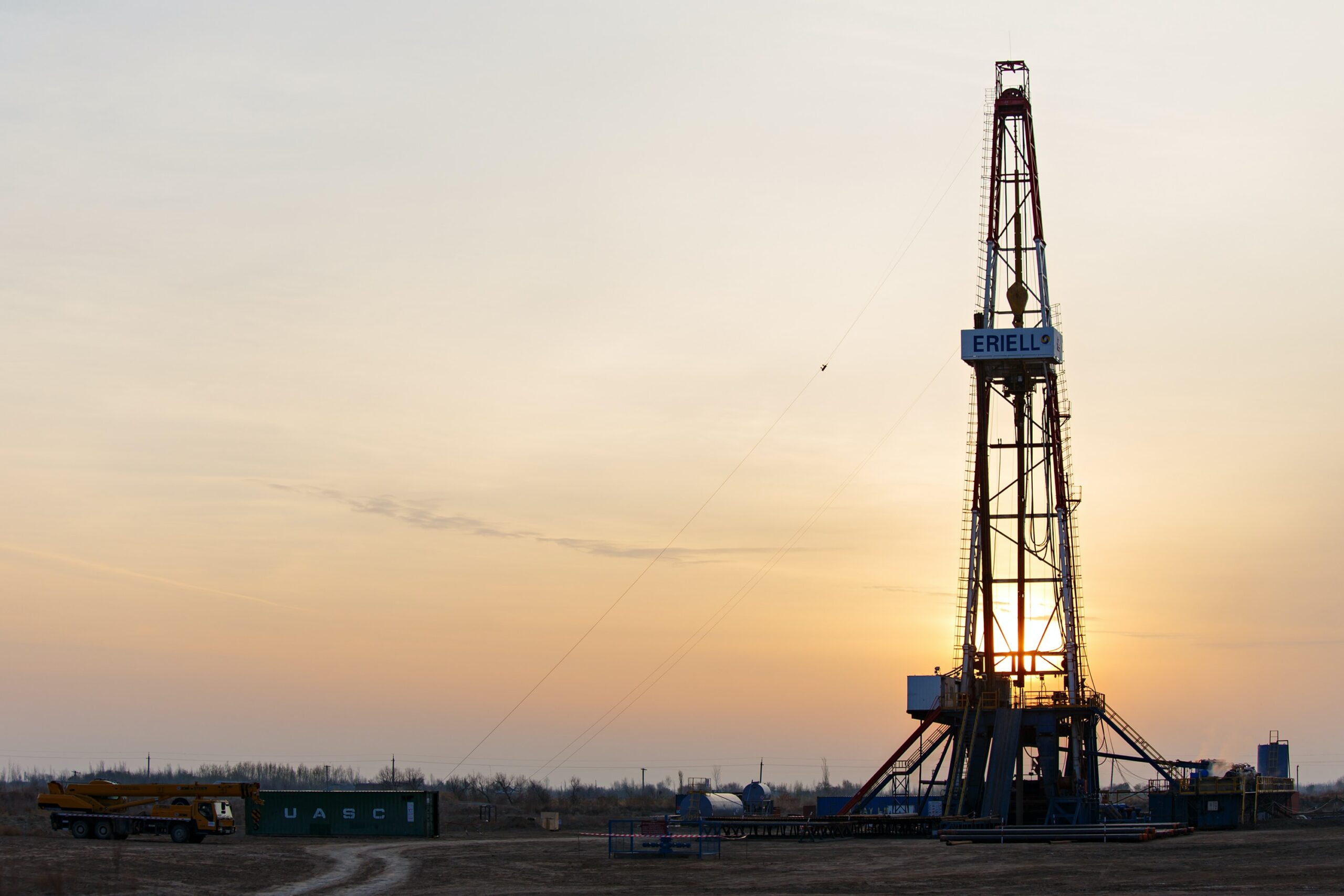
ATEX-rated equipment helps to protect workers while getting the job done.
Many workplaces have potential hazards that could cause harm or loss of life to workers, and so measures must be taken to ensure everyone’s safety. This is especially essential in environments where there’s a possibility of explosions from gases, mists, dust and other substances, such as in the oil and gas sector or in mines.
That’s why ATEX products are not just necessary but mandatory under law in such settings. Using machinery and equipment that’s not designed to this standard could cause an explosion or other accidents and risk the lives of the people working in the area. ATEX products help lower the risks of a catastrophic event occurring and keep staff safe.
Manufacturers and those using ATEX products and protective systems must adhere to strict guidelines under European Union (EU) legislation covering this directive. Products that have gained ATEX approval can place the Ex and CE symbols on them, displaying to everyone that they’ve met the standards for use in hazardous environments, including appraisal and certification from an independent third party.
Legislation for ATEX Products and Approval
ATEX is an acronym for the French Appareils destinés à être utilisés en ATmosphères EXplosives (equipment intended for use in explosive atmospheres), and its measures are outlined in two pieces of EU legislation addressing the manufacture and workplace-use of the equipment.
The EU directives are ATEX 114 “equipment” Directive 2014/34/EU and ATEX 137 “workplace” Directive 1999/92/EC. They’re designed to allow ATEX products to be freely used around the EU. However, such items are also shipped further afield — including to the United States and elsewhere — where there are separate laws covering products in hazardous workplaces, but ATEX-rated equipment may still be used.
Each of the 27 member states of the EU incorporates EU legislation into their own laws — including the ATEX directives — and are responsible for implementing the rules and ensuring manufacturers and users are in compliance. Although the UK has left the EU, it had brought the measures of the ATEX directives into law by combining them with the Dangerous Substances and Explosive Atmospheres Regulations 2002 (DSEAR).
What’s the Approval Process like for ATEX-Rated Equipment?
Applications to have ATEX products approved start with a manufacturer drawing up a risk analysis of the various types of equipment and the environments they will be used in. It might be something designed for an offshore oil rig, for instance, or a flour mill, where flour dust can combine with oxygen to spark an explosion. This is followed by detailed technical information on the products, compiled in documents for application submission, including descriptions of the items and technical drawings.
Manufacturers must be able to demonstrate that they comply with product standards, usually by providing a certificate given after an inspection by an authority or industry certification body. Then it’s a case of doing the same with the ATEX directive — showing that the products awaiting approval can be used in explosive environments without risking or triggering an accident that might harm workers.
There’s a large and growing range of ATEX-rated equipment, tools, isolators and switches, portable lighting, heating, ventilating and air-conditioning equipment. Some may be hermetically sealed so that they don’t pose a danger in the environments they’re in and the gases, fumes and dust that may be circulating around them. When approved for ATEX certification, they help to get the job done while keeping workers safe, comfortable and healthy — a must for any company in any environment.
Order top-brand ATEX products right here at the ATEXOnline store. Fast delivery around the UK and worldwide. Get your ATEX-rated equipment now.